
The History of Motors
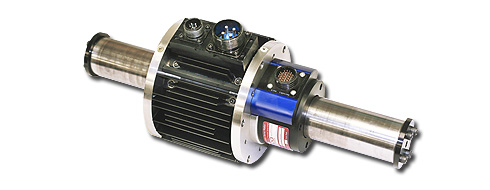
There are only 6 different types of motors. You would think there would way more different types of motors out there because of all the different type of cars. Well each car either has an AC motor, Stepper motor, DC motor, Brushed DC motor, Brushless DC motor and a Linear motor.
AC Motor There are two main types of AC motors. The most popular and simple motor is the three-phase AC induction motor. It is also known as the squirrel cage motor. The synchronous motor rotates at exactly the supply frequency or sub multiples of the supply frequency. A typical AC motor consists of two parts:An exterior stationary stator with coils that uses AC current to produce a revolving magnetic field. An interior rotor linked to the output shaft that employs torque using the rotating field.
Stepper Motors Stepper motor is an electro-mechanical device that converts electrical current into torque output. It popularly finds application as a positioning device for precision control. The motor works by converting electrical impulses into distinct mechanical rotatory motion. Normally this motion of a stepper motor is measured in degrees, or in steps.
DC Motor While an electric motor converts electrical energy into mechanical force, the reverse if true for DC motor. DC motors convert mechanical force into electrical energy with the use of a generator or dynamo. DC motors can be primarily divided into Brushed DC motors and Brushless DC motors.
Brushed DC motors The brushed DC motor has an ancient history. In this type of motor, a permanent magnetic field is produced in the stator with the help of permanent magnets or electro-magnetic windings. If the field is created by permanent magnets, the motor is called a permanent magnet DC motor. If it is generated using electromagnetic windings, the motor is named as Shunt wound DC motor.
Brushless DC motor A brushless DC motor is an electric motor with similar operations as the DC motor. The only difference is that the role of rotor and stator are inverted in the brushless DC motor. The motors rotor has a set of permanent magnets while the stator here consists of electromagnets. As the name suggests, the motor does not use brushes, but the function of commutator takes place by an electronic circuit. It switches the current to various stator coils as and when required.
Linear Motor A linear motor is essentially an electric motor with an unrolled stator. It results in the Linear motor producing linear force along its length instead of conventional torque as in other motors.


No comments:
Post a Comment